
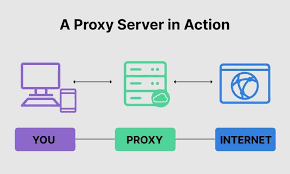
In today’s hyperconnected digital world, businesses face relentless attempts by cybercriminals to exploit vulnerabilities. Whether it is account takeovers, fraudulent signups, identity theft, or data breaches, malicious actors rely on tools such as proxies, VPNs, and even the TOR network to conceal their identities and launch attacks. These anonymizing technologies, while legitimate for privacy-conscious users, are also favorite weapons for hackers and fraudsters. As a result, organizations can no longer rely solely on traditional defenses like passwords or basic IP blocking to protect themselves. This is where free proxy, VPN, and IP risk assessment becomes a vital component of modern cybersecurity. By leveraging these tools, businesses gain a real-time view into the authenticity of incoming traffic and can differentiate between genuine customers and hidden threats before damage occurs.
The Role of Proxy and VPN Detection in Cybersecurity
Proxies and VPNs are designed to mask a user’s real IP address, allowing them to bypass geographic restrictions, hide their online activity, or secure their internet connection. While millions of people use them for legitimate purposes, malicious users exploit them to carry out fraudulent transactions, test stolen credit cards, create fake accounts, or spam online platforms. Without effective detection, businesses are left vulnerable to these hidden threats. By implementing a robust proxy and VPN detection system, companies can assess the risk of each IP address in real time. This means identifying whether traffic originates from a residential connection, a data center, or an anonymized source. With this level of visibility, organizations can block or challenge suspicious users while still providing seamless access to legitimate customers. The result is a more secure digital environment with minimal friction for real users.
How IP Risk Assessment Strengthens Fraud Prevention
One of the most significant benefits of IP risk assessment is its ability to assign a risk score to each incoming IP address. This score is generated by analyzing multiple factors, such as historical abuse patterns, geolocation inconsistencies, use of TOR exit nodes, and whether the IP has been previously associated with spam or fraudulent activity. Businesses can then use these insights to make intelligent, automated decisions about user access and transactions. For instance, a financial institution might allow low-risk IPs to proceed with instant approval while subjecting high-risk connections to additional verification steps. This layered defense approach dramatically reduces the likelihood of fraud slipping through undetected. Moreover, it allows businesses to maintain a healthy balance between security and user convenience, ensuring that legitimate customers are not unnecessarily burdened by excessive security checks.
Enhancing Regulatory Compliance with Risk Assessment
For industries that handle sensitive data, such as finance, healthcare, or e-commerce, regulatory compliance is a non-negotiable requirement. Many compliance frameworks, such as GDPR, PCI-DSS, and AML/KYC regulations, emphasize the need for proactive monitoring of suspicious activity and prevention of unauthorized access. Free proxy, VPN, and IP risk assessment tools provide organizations with a valuable method of demonstrating due diligence. By showing regulators that they actively monitor IP traffic for risk signals, businesses reduce their chances of non-compliance fines and reputational damage. In addition, risk assessments can help companies identify and mitigate insider threats or unauthorized data access attempts, further reinforcing their security posture. Compliance is not only about avoiding penalties but also about building trust with customers, and these assessments play a critical role in that process.
Improving Customer Trust and User Experience
One common concern businesses face when implementing cybersecurity measures is the impact on user experience. Customers expect fast, seamless interactions and are often discouraged by excessive verification steps. This is where intelligent IP risk assessment proves its value. Instead of treating all users as potential threats, businesses can make risk-based decisions. Low-risk users enjoy smooth onboarding and fast transactions, while high-risk users face additional layers of verification. This adaptive approach ensures that genuine customers are not alienated, while fraudsters are effectively filtered out. By striking this balance, businesses can strengthen security without compromising the convenience that customers demand. Over time, this builds trust and loyalty, as users feel confident that their data and accounts are being protected by a proactive security system.
Supporting Smarter Business Insights
Beyond security, proxy, VPN, and IP risk assessment also provides valuable business intelligence. By analyzing traffic sources, businesses can identify patterns such as high-risk geographies, spikes in fraudulent activity, or anomalies in user behavior. These insights can then inform broader strategies, from marketing to fraud prevention. For example, an e-commerce company may notice that fraudulent traffic consistently originates from specific regions and adjust its risk thresholds accordingly. Similarly, a SaaS platform might discover that certain IP ranges are repeatedly linked to account abuse, prompting stronger defenses in those areas. This data-driven decision-making not only improves security but also enhances operational efficiency and profitability.
Scalability and Real-Time Protection
Modern digital businesses operate at scale, handling thousands or even millions of requests every day. Static security measures cannot keep up with the volume and sophistication of attacks. Free proxy, VPN, and IP risk assessment solutions are built for scalability, analyzing vast amounts of traffic in real time. This ensures that businesses remain protected even during high traffic surges, such as seasonal sales or product launches, when fraudsters are most active. The ability to process risk signals instantly means that threats are blocked before they can cause harm, maintaining the integrity of systems and protecting customer trust. Scalability also ensures that businesses of all sizes, from startups to global enterprises, can benefit from consistent, effective cybersecurity measures.
The Future of Proxy, VPN, and IP Risk Assessment
As cybercriminals continue to refine their tactics, the tools used to detect and stop them must also evolve. The future of proxy, VPN, and IP risk assessment lies in the integration of artificial intelligence and machine learning. These technologies can analyze massive datasets to detect subtle patterns of fraudulent behavior that may go unnoticed by traditional methods. Additionally, predictive analytics will allow businesses to anticipate threats before they escalate, staying one step ahead of attackers. Another emerging trend is the integration of IP risk assessment with other verification tools such as device fingerprinting, behavioral biometrics, and email risk scoring. By combining multiple layers of intelligence, businesses can build a more resilient defense system capable of withstanding even the most sophisticated attacks.
Conclusion
The benefits of free proxy, VPN, and IP risk assessment for cybersecurity cannot be overstated. These tools empower businesses to identify high-risk connections, prevent fraud, maintain compliance, and deliver a seamless user experience. They provide real-time insights that enhance decision-making, support scalability, and prepare organizations for the evolving threat landscape. In an era where cyberattacks can cause devastating financial and reputational damage, adopting these assessments is not just a technical upgrade—it is a strategic necessity. By embracing intelligent IP risk assessment, businesses can safeguard their platforms, protect their customers, and build a foundation of trust that drives long-term success.
