
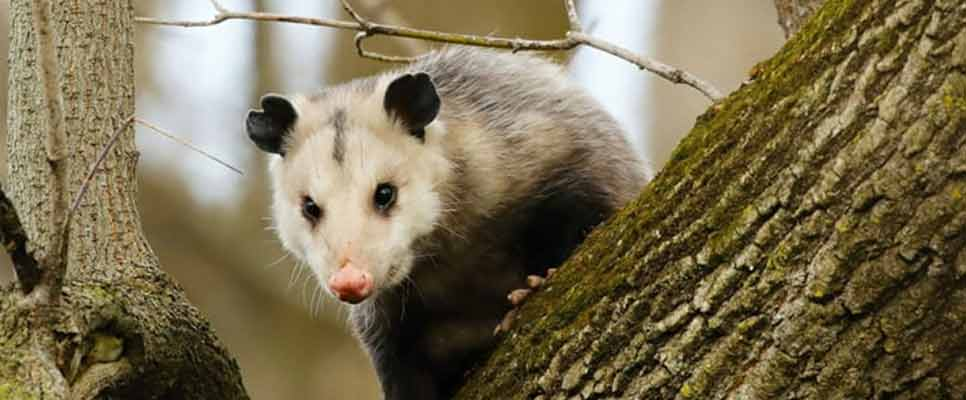
Possums are fascinating creatures, but when they invade homes or properties, they can become a significant problem. For residents in Springwood and the Blue Mountains, knowing how to handle possum intrusions safely and effectively is crucial. Effective possum removal not only protects your property but also ensures the safety and well-being of the animals. This article explores practical techniques, preventive measures, and expert advice for successful possum management in these regions.
Understanding Possums in Springwood and the Blue Mountains
Possums are nocturnal marsupials commonly found in Australian suburbs and rural areas. In Springwood and the Blue Mountains, the diverse natural environment provides an ideal habitat for these animals. Their diet typically includes leaves, fruits, and flowers, but when natural food sources are limited, they may enter homes in search of shelter and food.
Possums are generally not aggressive, but they can cause damage to insulation, wiring, and roofing when they nest in attics or walls. Additionally, their presence can lead to unpleasant odors, noise disturbances, and even potential health risks from parasites or droppings. Understanding their behavior and habits is the first step toward effective possum removal.
Signs That Indicate a Possum Infestation
Detecting possums early can make removal efforts much easier. Common signs include:
- Noises such as scratching or thumping in the roof or walls, usually at night
- Scattered droppings around the home or garden
- Damaged insulation or chewed wires in the attic
- Footprints or tail marks on dusty surfaces
- Evidence of nesting materials like leaves or soft insulation
Identifying these signs allows homeowners to take timely action and prevent more extensive property damage.
Legal and Ethical Considerations
Before attempting possum removal in Springwood or the Blue Mountains, it is important to understand local wildlife laws. Possums are protected native animals, and harming them or removing them without appropriate permits can result in legal penalties. Many councils provide guidelines and support for humane possum removal.
Ethical possum removal involves using safe, non-lethal methods. Relocating animals without proper knowledge can stress them and may reduce their chances of survival. Engaging professional services ensures compliance with legal regulations and ethical standards, making the process safer for both humans and wildlife.
DIY Possum Removal Techniques
While professional help is often recommended, there are several effective techniques that homeowners can implement themselves:
- Secure Entry Points: Inspect your property for holes, gaps, or openings that possums could use to enter. Seal any potential entry points with durable materials.
- Remove Food Sources: Possums are attracted to fruit trees, garden plants, and unsecured garbage. Removing or securing these food sources can discourage possums from staying.
- Use Deterrents: Motion-activated lights, sprinklers, or ultrasonic devices can help scare possums away. Planting strongly scented herbs like rosemary or lavender around the property may also act as a natural deterrent.
- Temporary Traps: Humane live traps can be used to capture possums safely. It is crucial to check traps regularly and follow local guidelines for relocation.
Consistency is key in DIY methods. Combining multiple techniques often yields better results than relying on a single approach.
When to Hire Professional Possum Removal Services
Professional services offer expertise, tools, and experience that significantly increase the chances of successful possum removal. Residents in Springwood and the Blue Mountains often rely on experts for several reasons:
- Complex Infestations: Large infestations or possums that have nested in hard-to-reach areas require professional handling.
- Legal Compliance: Professionals are trained to follow regulations and obtain necessary permits, ensuring removal is lawful.
- Safety: Handling possums can pose health risks from bites, scratches, or parasites. Trained technicians use protective gear and safe techniques.
- Long-Term Prevention: Professionals often provide recommendations for securing your home and property against future possum intrusions.
When searching for services, look for reputable providers who specialize in possum removal Springwood or possum removal Blue Mountains, ensuring they are licensed and experienced in humane wildlife management.
Tips for Choosing the Right Service Provider
Selecting the right professional service is essential for effective and ethical possum removal. Consider these factors:
- Experience and Reputation: Look for companies with proven track records and positive customer reviews.
- Licensing and Permits: Ensure the provider complies with local wildlife protection laws.
- Humane Methods: Confirm that the service uses non-lethal, ethical techniques.
- Comprehensive Services: Choose providers who offer both removal and preventive measures, such as home inspections and sealing entry points.
Engaging a reliable professional can save time, reduce stress, and prevent repeated infestations, making it a worthwhile investment.
Preventing Future Possum Problems
After successful possum removal, the next step is to minimize the risk of future intrusions. Preventive measures include:
- Regular Inspections: Conduct routine checks of your roof, eaves, and garden for signs of possums or potential entry points.
- Secure Waste: Use possum-proof bins and avoid leaving food scraps accessible.
- Trim Vegetation: Keep tree branches away from roofs and remove overhanging foliage that may provide easy access for possums.
- Install Barriers: Mesh screens or wire barriers can prevent possums from entering attics or sheds.
- Noise and Light Deterrents: Motion-activated lights or wind chimes can help discourage nocturnal visitors.
Consistently applying these strategies reduces the likelihood of recurring possum issues and keeps your property safe and comfortable.
Seasonal Considerations in Possum Management
Possum activity often fluctuates with the seasons. Spring and summer can increase sightings due to breeding cycles and the search for food. During colder months, possums may seek warmth inside homes or sheds.
Understanding seasonal patterns allows homeowners to implement timely interventions. For instance, inspecting roofs before winter can prevent possums from nesting in attics, while managing gardens in spring can reduce food sources during active breeding periods.
Community Awareness and Support
Living in possum-prone areas like Springwood and the Blue Mountains requires community awareness. Sharing information about possum behavior and humane removal methods can help neighbors manage problems without harming wildlife. Local councils often provide resources, workshops, or support services for residents dealing with possums.
Collaboration within the community also ensures that interventions are effective on a larger scale. For example, coordinated garden management or reporting of possum activity can reduce the chances of widespread infestations.
Final Thoughts on Possum Management in Your Area
Effective possum removal Springwood and possum removal Blue Mountains requires a combination of knowledge, vigilance, and ethical practices. Understanding the habits of possums, recognizing the signs of infestation, and choosing the right intervention methods are key to maintaining a safe and comfortable home environment.
Whether employing DIY strategies, seeking professional assistance, or implementing preventive measures, the goal should always be humane and sustainable management. By taking proactive steps and staying informed, homeowners can coexist with local wildlife while protecting their property and health.
Possums are an integral part of the Australian ecosystem, but careful management ensures they do not become a nuisance. With the right approach, residents of Springwood and the Blue Mountains can enjoy their homes and surroundings without the stress and damage that possum intrusions can cause.
