
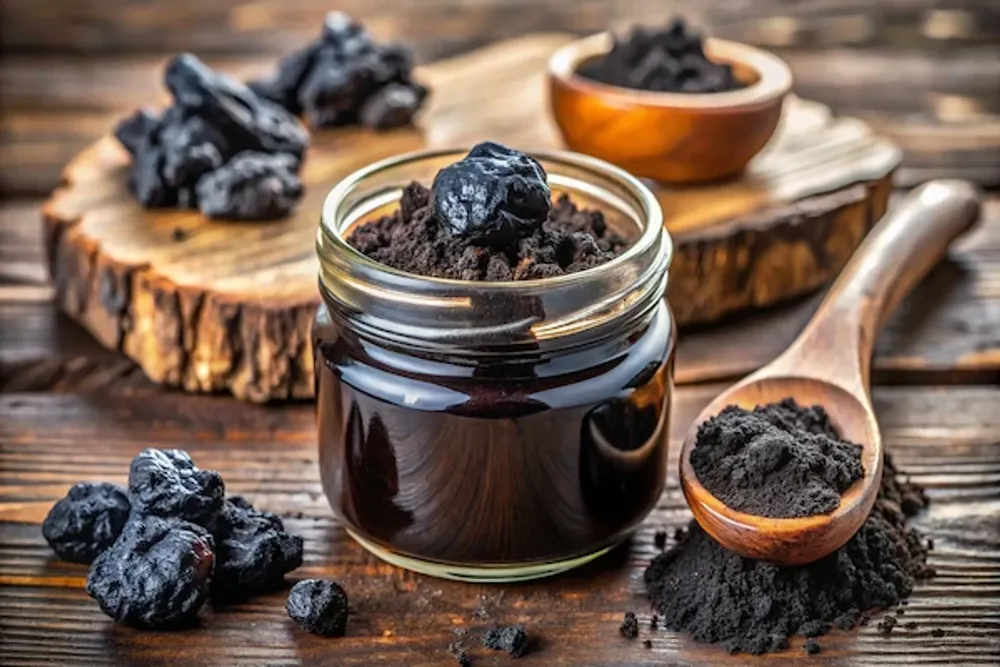
Shilajit, a mineral-rich resin sourced from the high-altitude peaks of the Himalayas, has long been valued for its therapeutic and rejuvenating properties. Its purity is crucial for ensuring maximum efficacy and safety, as genuine Shilajit contains essential bioactive compounds such as fulvic acid, humic acid, and trace minerals. However, a variety of environmental, geographical, and processing factors can influence the natural purity of Shilajit. Understanding these factors helps consumers identify high-quality resin and avoid adulterated or substandard products. High-quality options like https://www.newphaseblends.com/product/pure-himalayan-shilajit/ provide assurance of authenticity, but knowledge of the factors affecting purity empowers users to make informed choices. This guide explores the main factors that impact the natural purity of Shilajit, from environmental conditions to harvesting and storage practices.
Geological Composition of the Source Region
The geological makeup of the mountains where Shilajit is formed plays a critical role in its purity. Regions rich in minerals, free from industrial pollution, and composed of specific rock types contribute to higher-quality resin. Areas with heavy metal contamination or chemical exposure may result in Shilajit containing unwanted impurities. The natural mineral balance in the rocks influences the concentration of essential trace elements, making geology a fundamental determinant of purity.
Altitude and Climate Conditions
Shilajit formation is influenced by altitude and climate. Higher-altitude locations with extreme temperature fluctuations and minimal human interference create ideal conditions for the slow decomposition of organic matter, leading to pure resin. Conversely, lower-altitude regions or areas exposed to pollution may produce Shilajit with lower bioactive content or higher contamination levels. Temperature, humidity, and seasonal changes all affect the resin’s chemical composition and natural purity.
Organic Material Composition
The organic matter that contributes to Shilajit’s formation—decomposed plants, mosses, and microbial life—affects its purity. Resin formed from healthy, unpolluted vegetation is richer in bioactive compounds. Environmental degradation, deforestation, or contamination of plant material can introduce toxins or reduce the concentration of beneficial acids like fulvic and humic acid. Thus, the quality of the source vegetation directly impacts the natural purity of the resin.
Water Quality and Environmental Contaminants
Natural water flowing through mountainous regions influences the chemical profile of Shilajit. Clean, uncontaminated water supports pure resin formation, while water contaminated with industrial pollutants or heavy metals can compromise its integrity. Rainfall patterns, mineral runoff, and air quality also contribute to the introduction of impurities. Evaluating environmental conditions at the source is essential for understanding potential impacts on Shilajit purity.
Harvesting Practices
How Shilajit is harvested significantly affects its purity. Traditional, manual collection methods ensure minimal contamination, as resin is carefully extracted from rock fissures without contact with foreign substances. Mechanical or careless harvesting can introduce dust, soil, or other impurities. Skilled harvesters are able to select only mature, high-quality resin, which maintains both natural composition and efficacy.
Seasonal Timing of Collection
The season in which Shilajit is collected influences its moisture content, bioactive concentration, and purity. Resin harvested during warmer months tends to be softer and easier to extract, whereas resin from colder periods may be more concentrated but harder to collect. Timing the harvest correctly ensures that the resin contains optimal levels of fulvic acid and trace minerals while minimizing exposure to environmental contaminants.
Processing and Purification Methods
Post-harvest processing plays a critical role in preserving or altering Shilajit purity. Minimal processing that removes physical impurities without using excessive chemicals retains the natural bioactive compounds. Over-processing, chemical treatment, or improper purification can degrade fulvic acid, humic acid, and mineral content, reducing efficacy. High-quality Shilajit maintains purity while being safe for consumption.
Storage Conditions and Preservation
Storage conditions after collection affect the natural purity of Shilajit. Exposure to moisture, heat, or light can degrade bioactive compounds, introduce microbial growth, and alter chemical composition. Airtight containers, cool temperatures, and protection from direct sunlight preserve the resin’s natural properties. Poor storage practices compromise both the physical integrity and bioactive potency of Shilajit.
Adulteration and Contamination Risks
Due to high demand, Shilajit is sometimes adulterated with fillers, synthetic compounds, or inferior resin to increase volume or reduce cost. Such practices directly impact purity, reducing the effectiveness of the product. Recognizing signs of adulteration—such as unnatural color, inconsistent texture, or chemical smells—is vital for ensuring that the Shilajit is natural and uncontaminated.
Geochemical Interactions
Natural interactions between minerals and organic matter during formation influence purity. Shilajit forms over centuries as organic material decomposes and combines with minerals from surrounding rocks. The balance between humic and fulvic acids, trace elements, and other bioactive compounds is affected by local geochemistry. Optimal natural conditions lead to resin that is rich in essential compounds without excessive impurities.
Microbial Activity
Microorganisms play a crucial role in the natural formation of Shilajit by breaking down organic matter. Healthy microbial activity contributes to the development of beneficial compounds. However, contamination with pathogenic microbes or exposure to environmental toxins can compromise purity. Proper handling, drying, and storage prevent microbial contamination while preserving the natural composition.
Packaging and Transport
Even after collection and purification, packaging and transport can influence Shilajit’s purity. Exposure to moisture, air, and contaminants during transit can degrade the resin or introduce foreign particles. Proper packaging in airtight, non-reactive containers ensures that the resin maintains its natural chemical composition and potency until it reaches the consumer.
Consumer Awareness and Verification
Educated consumers can safeguard the purity of Shilajit by selecting reputable brands and verifying sourcing information. Awareness of factors such as origin, harvesting practices, and storage methods allows buyers to make informed decisions. Checking for laboratory verification, bioactive content, and adherence to traditional preparation practices ensures that the product purchased retains natural purity and efficacy.
Conclusion: Preserving Natural Purity in Shilajit
The natural purity of Shilajit is influenced by a wide array of factors, including geological composition, altitude, organic matter quality, water and environmental conditions, harvesting practices, processing, and storage. Each stage of Shilajit’s lifecycle—from formation in the high-altitude rocks to final packaging—affects its bioactive composition and overall integrity. Awareness of these factors helps consumers identify authentic, high-quality Shilajit and avoid products compromised by contamination or adulteration.
