
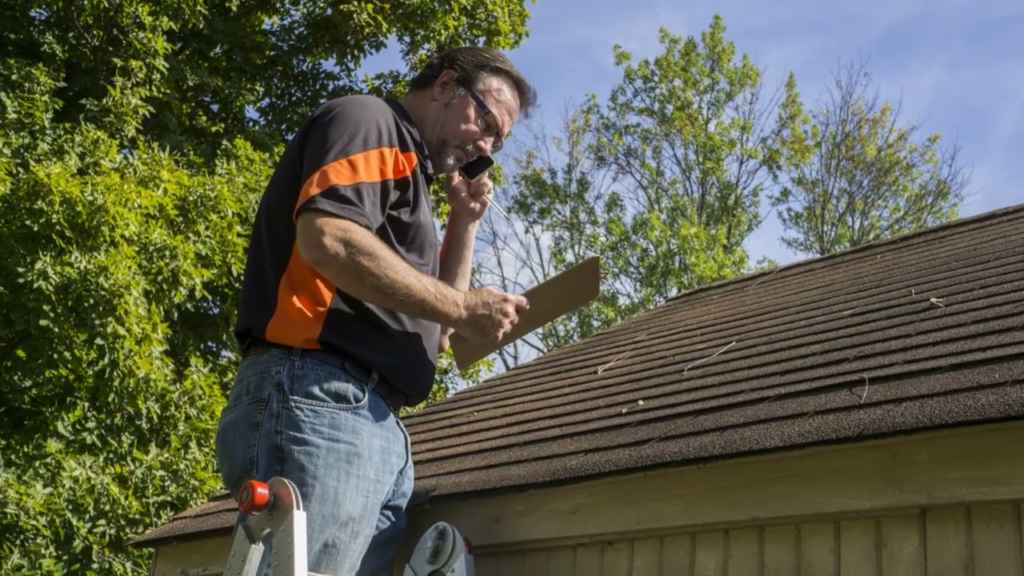
A home’s exterior works as one connected system. When the roof, gutters, siding, ventilation, and drainage all perform well, the entire property is better protected from weather, moisture, and avoidable wear. For homeowners, understanding that connection can make maintenance decisions easier and more cost-effective.
The Roof Sets the Tone for the Whole Home
The roof is often treated as a separate project, but it affects nearly every other part of the house. A small leak can travel into insulation, attic framing, ceilings, walls, and even electrical areas. Poor ventilation can trap heat and moisture, which may shorten the life of roofing materials and increase indoor comfort problems.
That is why roof care should not begin only when shingles are missing or water stains appear. A proactive approach includes checking for subtle warning signs, such as:
- Granules collecting near downspouts
- Shingles that look lifted, curled, or cracked
- Dark streaks or soft-looking areas
- Water stains on ceilings or attic surfaces
- Unusual increases in heating or cooling costs
- Sunlight visible through attic boards
These signs do not always mean a full replacement is needed, but they do suggest the home deserves closer attention.
Gutters Are More Important Than They Look
Gutters may seem simple, but they play a major role in moving water away from the roofline, siding, foundation, walkways, and landscaping. When gutters clog, sag, or pull away from fascia boards, water can spill where it should not. Over time, that can contribute to wood rot, soil erosion, basement moisture, and staining on exterior walls.
A well-maintained gutter system should move water smoothly through downspouts and discharge it away from the foundation. Homeowners should check gutters after storms, heavy leaf fall, or long dry periods when debris may have built up unnoticed.
Gutter guards, seamless gutters, and properly extended downspouts can all help reduce maintenance needs, but no system should be ignored entirely. Even durable exterior components need periodic review.
Siding and Paint Protect More Than Curb Appeal
Siding and exterior paint do more than make a home look finished. They help protect the wall system from rain, wind, sun exposure, pests, and temperature swings. When siding cracks, warps, separates, or develops gaps around trim, moisture can get behind it.
Paint also acts as a protective layer. Peeling, bubbling, or fading paint may indicate that the surface is no longer sealing properly. In humid or storm-prone regions, this can become a bigger issue because moisture may linger longer behind compromised materials.
A good exterior inspection should consider how the roofline, gutters, siding, trim, and paint work together. Fixing one issue while ignoring another may only provide temporary relief.
Storm Damage Is Not Always Obvious
After a strong storm, it is natural to look for dramatic damage: fallen branches, missing shingles, or water entering the home. But many roofing and exterior problems are quieter. Hail can bruise shingles without creating immediate leaks. Wind can loosen flashing or lift shingles just enough to weaken the roof’s seal. Heavy rain can expose weaknesses around valleys, vents, and gutters.
Homeowners should avoid climbing onto a roof themselves, especially after severe weather. Instead, they can safely look from the ground for displaced shingles, damaged gutters, loose siding, or debris impact marks. Attics can also reveal early clues, such as damp insulation or new staining.
For homeowners researching professional roofing and exterior support, idealroofingandexteriors.com is an example of the type of resource that can help clarify common services, inspection options, and exterior project considerations.
Choosing the Right Contractor Matters
Exterior work requires more than materials and labor. It requires planning, documentation, communication, and respect for the property. A reliable contractor should be able to explain what they found, why it matters, and what options make sense based on the home’s condition.
Before hiring any roofing or exterior company, homeowners should look for:
- Clear inspection findings, ideally with photos or detailed notes
- Proof of licensing, insurance, or relevant credentials
- Written estimates with defined scope and materials
- Warranty information that is easy to understand
- A realistic schedule and cleanup plan
- Experience with local weather patterns and home styles
The lowest estimate is not always the best value. A rushed or incomplete project can lead to callbacks, repairs, and hidden costs later. Quality work should solve the problem, not simply cover it up.
Preventive Maintenance Saves Stress Later
A home does not need to be old to benefit from preventive maintenance. Newer roofs, gutters, and siding still face wind, rain, heat, debris, and seasonal movement. Regular inspections can identify small issues while they are still manageable.
A practical annual checklist may include walking the property after major storms, cleaning gutters, checking attic spaces, trimming branches away from the roof, and reviewing areas where water drains near the home. Homeowners should also keep records of repairs, inspections, warranties, and material details. Those records can be useful for future projects, insurance conversations, or resale preparation.
Conclusion
Roofing and exterior maintenance is ultimately about protecting the entire home, not just improving its appearance. When homeowners pay attention to the roof, gutters, siding, paint, ventilation, and drainage as one connected system, they are better prepared to catch problems early and make informed decisions.
A strong exterior starts with awareness. From annual inspections to careful contractor selection, small steps can help preserve comfort, curb appeal, and long-term property value.
