
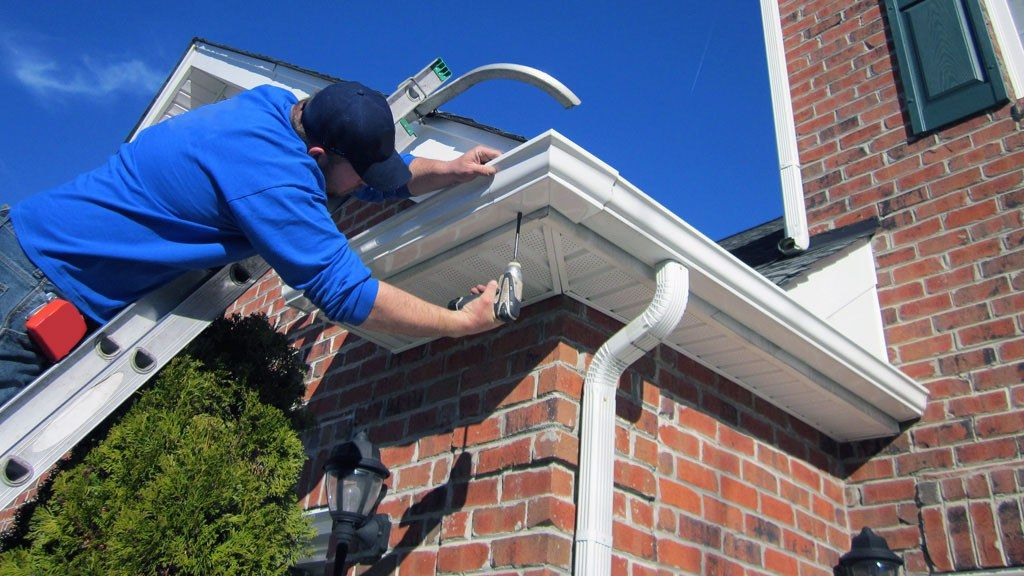
When people think about protecting a home, the roof usually gets all the attention. That makes sense, but the gutter system plays an equally important role in managing rainwater, reducing wear on exterior surfaces, and helping prevent moisture problems where they are hardest to spot.
In a place like San Antonio, where long dry stretches can be interrupted by intense storms, gutters and downspouts do more than move water off the roof. They help direct it away from the structure, preserve curb appeal, and support the long-term condition of everything from siding to foundations.
The Hidden Job of a Gutter System
A gutter system has one simple purpose on paper: collect rainwater and channel it away from the home. In practice, that job affects much more than many homeowners expect.
Without effective drainage, water can run over roof edges, splash against exterior walls, soak landscaping near the base of the house, and collect around the foundation. Over time, even small drainage failures can create bigger maintenance issues. Paint may wear out faster. Fascia boards can begin to deteriorate. Soil can shift. In some cases, water may even find its way into areas where mold, staining, or wood damage starts quietly.
That is why gutter performance should never be treated as an afterthought. A home’s drainage system needs to work in tandem with the roof, not separately from it.
Why San Antonio Homes Need Reliable Water Control
San Antonio homes face a mix of weather conditions that can be tough on exterior systems. Heat, wind, debris, and sudden heavy rainfall can all test whether gutters are working as intended.
This is especially important because drainage issues often become noticeable only after visible damage appears. By the time a homeowner sees water pooling near the home, streaking on siding, or erosion in planting beds, the system may have already been underperforming for a while.
A well-designed gutter and downspout setup helps with several common concerns:
- Directing roof runoff away from the foundation
- Reducing soil washout around the home
- Preventing water from spilling near entryways
- Limiting staining on masonry, siding, and trim
- Helping protect fascia and soffit areas from prolonged moisture
For homeowners trying to stay ahead of exterior maintenance, these benefits are practical, not cosmetic.
Signs Your Gutters May Need Attention
Gutters do not always fail dramatically. More often, they show subtle warning signs first. The key is noticing those signs before minor issues turn into repair bills.
Here are a few common indicators that a gutter system may need repair, adjustment, or replacement:
1. Gutters Pulling Away From the Roofline
If sections appear loose or uneven, the fasteners may be failing, or the system could be carrying too much weight from trapped debris and standing water.
2. Cracks, Gaps, or Leaks
Even small openings can allow water to escape in the wrong places. Over time, repeated leaking can damage trim, siding, and the ground below.
3. Water Pooling Near the Foundation
One of the clearest warning signs is excess water collecting close to the base of the home after rain. That often points to poor downspout placement, clogs, or insufficient drainage capacity.
4. Rust, Corrosion, or Visible Wear
Aging systems naturally break down, but visible corrosion usually means the material has already been exposed to moisture longer than it should have been.
5. Overflow During Storms
If water regularly pours over the side of the gutters instead of flowing through downspouts, the system may be blocked, undersized, or improperly pitched.
These problems are easy to ignore when the weather is dry, but they tend to become much more obvious during the next major rain event.
Repair or Replace? How to Think About the Decision
Not every gutter issue requires a full replacement. In some cases, a targeted repair is enough to restore proper performance. Refastening loose sections, sealing leaks, or correcting pitch problems may solve the issue if the overall system is still in good condition.
Replacement becomes more worth considering when problems are widespread or recurring. If multiple sections are damaged, if rust is extensive, or if the downspouts are not effectively moving water away from the property, patching one area at a time may only delay the inevitable.
Homeowners can use a simple framework when evaluating the next step:
- Assess the age of the system. Older gutters with repeated issues may not justify continued repairs.
- Look at the extent of visible damage. Is it isolated, or does it show up in several places?
- Pay attention to drainage results. Even if gutters look acceptable from the ground, poor runoff control is a sign the system is not doing its job.
- Consider surrounding exterior wear. Water marks, soft wood, and soil erosion can all point to a larger drainage problem.
- Think long term. A durable solution often costs less over time than repeated temporary fixes.
The right decision is usually the one that restores reliable water movement, not just the one that handles the most obvious symptom.
The Value of Professional Evaluation
Because gutter problems can affect multiple parts of the home, it helps to have the entire drainage path reviewed rather than focusing only on one visible issue. That includes how water moves off the roof, through the gutters, into the downspouts, and away from the house.
A professional inspection can often identify concerns homeowners may miss from the ground, such as improper slope, hidden separation points, drainage bottlenecks, or wear caused by storm exposure. For those comparing options or trying to understand what their home may need, San Antonio gutter and downspout services can provide useful context on common repair and replacement needs.
That kind of evaluation is especially helpful after severe weather, when damage may not be obvious right away.
Protecting the Home Starts With Directing Water Correctly
Many exterior issues begin with poor water management. That is one reason gutters deserve more attention in routine home maintenance conversations. They protect much more than the edge of the roof.
When a gutter system is working properly, it helps preserve the home’s structure, finish materials, and surrounding landscape. When it is not, damage can develop gradually and spread to areas that are far more expensive to fix.
For San Antonio homeowners, a smart approach is to treat gutters and downspouts as part of the home’s full protection system. Regular inspections, timely repairs, and replacement when needed can prevent bigger problems later. In the end, the goal is simple: move water away from the home efficiently, consistently, and with as little stress on the structure as possible.
